
Oiled vs Lacquered Wood Flooring: Which Finish Should You Choose?
Whether you have chosen the timeless geometry of herringbone, the elegance of chevron or the simplicity of a beautiful wide plank, there is one final decision that will have a considerable influence on the finished floor: oil or lacquer?
The finish you choose affects far more than appearance. It influences how the timber feels underfoot, how it responds to everyday life and how your wood flooring will be maintained as it ages.
Both oiled and lacquered wood floors offer excellent protection, but they do so in quite different ways. The right choice ultimately comes down to the character you want from your floor and how you would like to live with it.

The Beauty of an Oiled Wood Floor
For those who love timber in its most natural form, an oiled wood floor is difficult to surpass.
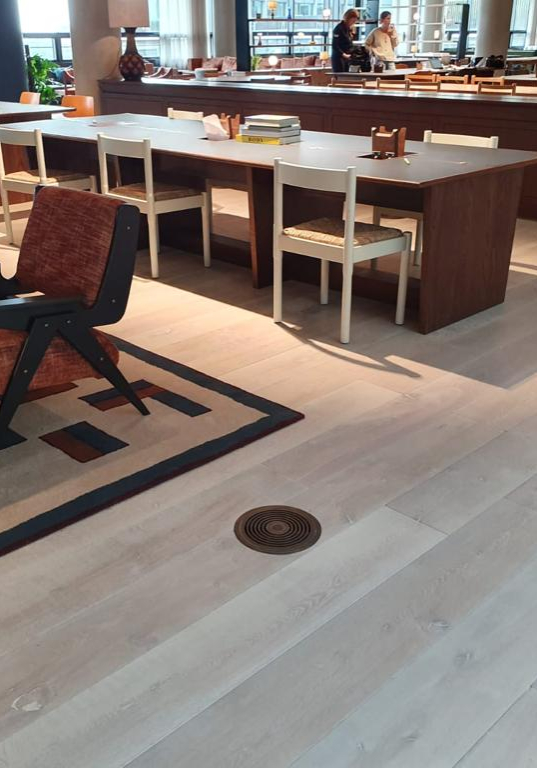
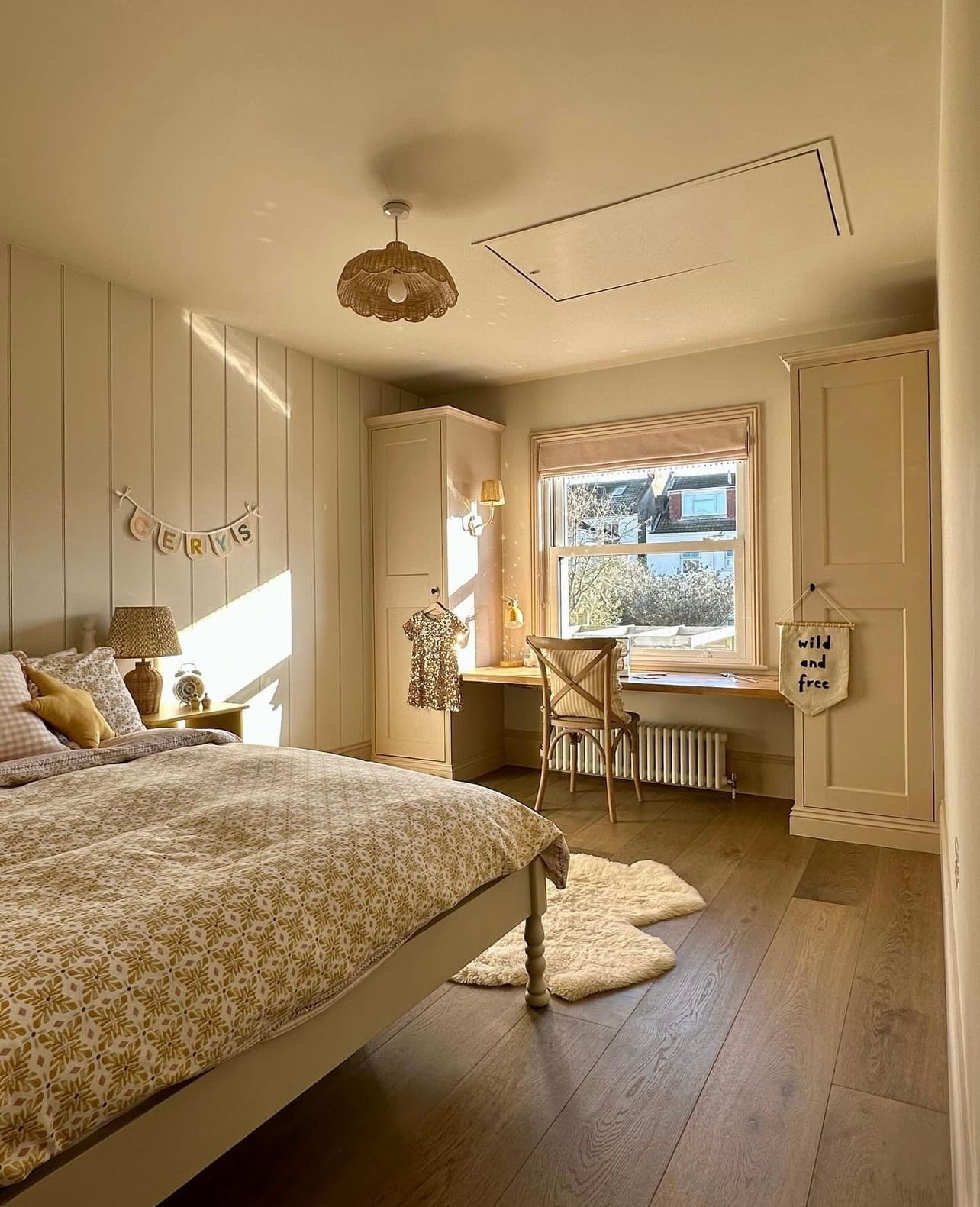
Rather than creating a coating over the surface, oil penetrates into the timber, enhancing its natural grain, knots and tonal variation. The result is a beautifully understated, matt finish that retains the tactile quality of the wood itself.
It is particularly effective with characterful oak, where subtle variations are something to be celebrated rather than concealed. On wide planks, herringbone and chevron alike, an oiled finish creates a wonderfully relaxed appearance that works equally well in contemporary and more traditional interiors.
As the floor matures, it develops a natural patina. For many, this is part of its appeal: the timber evolves with the home rather than remaining perfectly uniform.
Why Choose an Oiled Finish?
An oiled wood floor may be the right choice if you are looking for:
- A natural, matt appearance with minimal surface sheen.
- A tactile finish that allows you to feel the character of the timber.
- A floor that develops an attractive patina with age.
- The ability to refresh or repair individual areas without necessarily refinishing the entire floor.
- A finish that can be maintained and revitalised with suitable maintenance oils.
One of the most practical advantages is its ability to be repaired locally. Small scratches or worn areas can often be treated individually, making an oiled floor particularly appealing in a home that is intended to be lived in rather than treated too preciously.
The Refined Finish of Lacquered Wood Flooring
A lacquered wood floor has a different character.
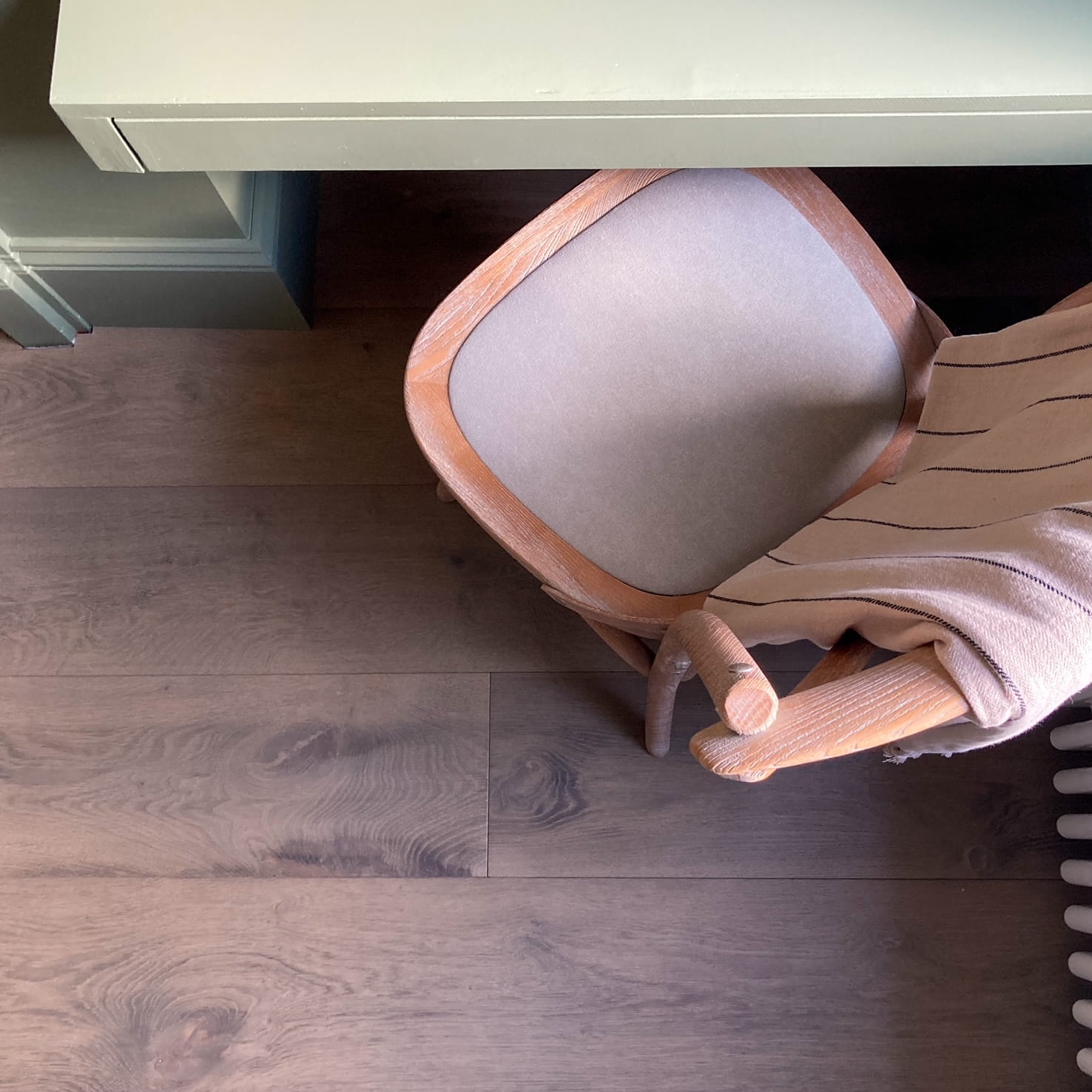
Instead of penetrating the timber in the same way as oil, lacquer forms a protective coating across the surface. This creates a smooth, sealed finish that offers excellent resistance to the demands of everyday life.
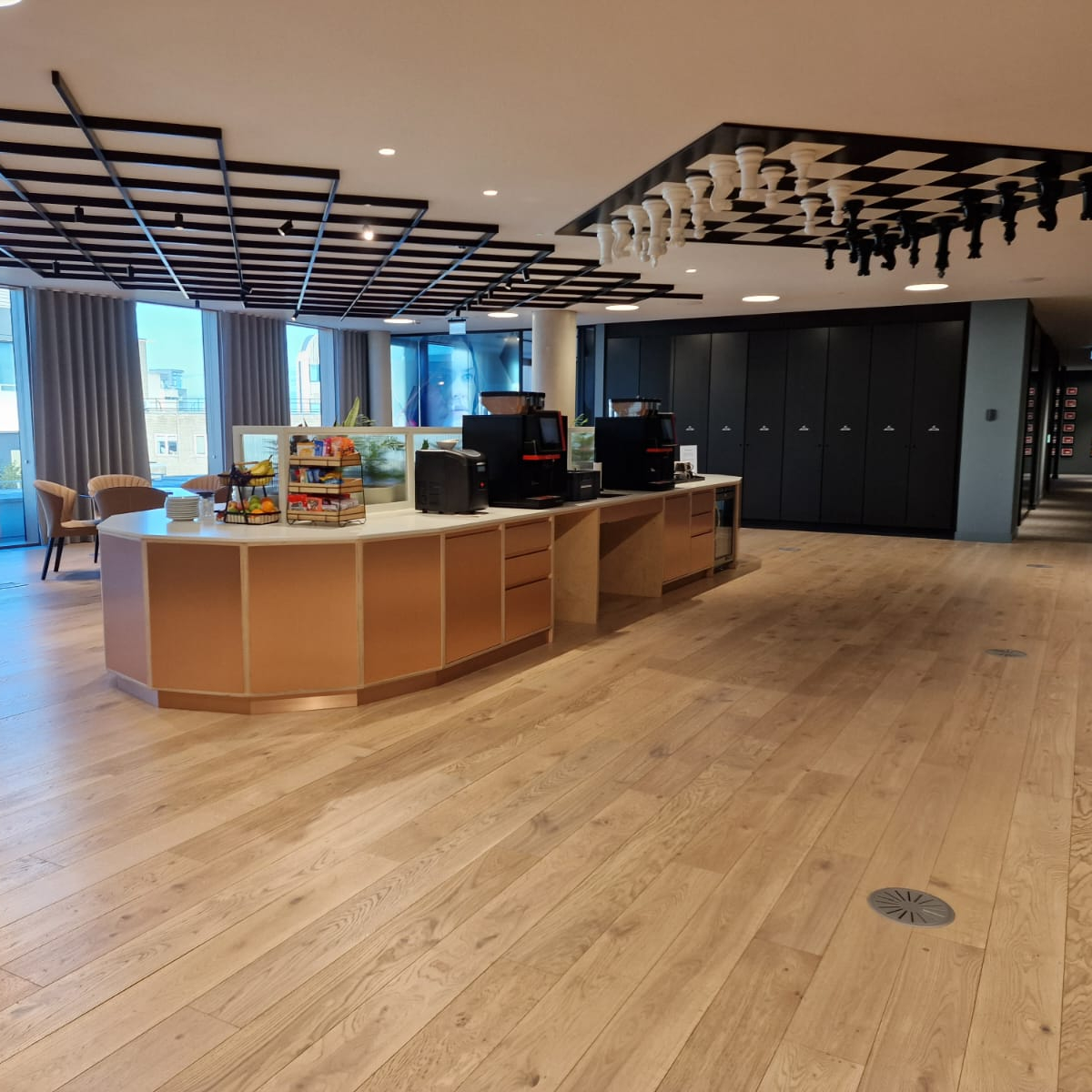
Modern lacquers are available in a variety of finishes, from beautifully understated matt and ultra-matt surfaces to more traditional satin and gloss effects. So while lacquer is sometimes associated with a noticeably shiny floor, contemporary finishes can be remarkably subtle.
The result is generally a more uniform, refined appearance – particularly suited to interiors where a clean and consistent finish is desired.
Why Choose a Lacquered Finish?
Lacquer may be preferable if you are looking for:
- A smooth, sealed surface.
- Excellent resistance to everyday dirt and spills.
- Straightforward routine cleaning.
- A choice of matt, satin or higher-sheen finishes.
- A highly durable surface for busier areas of the home.
Because the protective layer sits at the surface, everyday dirt is less able to penetrate the timber, making lacquered flooring relatively simple to maintain.
It is worth remembering, however, that no timber floor is completely resistant to scratches. On some lacquered finishes, particularly those with greater sheen, scratches can be more noticeable than they would be on a natural oiled surface.

Oil or Lacquer: Which Is Easier to Maintain?
This is often the deciding factor, but there isn't necessarily a better option – simply two different approaches to caring for a wood floor.
Lacquered flooring generally requires less ongoing maintenance. Regular vacuuming or sweeping, together with appropriate damp cleaning when required, is usually enough to maintain its appearance. The sealed surface makes it particularly practical for busy households.
Oiled flooring requires a little more care over its lifetime, as the protective finish may need to be replenished periodically. The advantage is that the floor can usually be refreshed without completely sanding and refinishing it, and isolated areas can often be repaired independently.
Whichever finish you choose, excess water should always be avoided. Timber is a natural material, and standing moisture should be removed promptly from any wood floor.
How Will the Finish Change the Colour of Your Floor?
This is something that is best appreciated in person.
The same piece of timber can look surprisingly different depending on the finish applied. Oil tends to enrich the natural tones and grain of the wood, while lacquer can create anything from a virtually invisible matt surface to a more polished appearance.
The choice becomes even more interesting when coloured oils, smoked timbers, brushed surfaces and bespoke stains are introduced.
At Eaton Square, we always recommend viewing samples alongside the other materials within your interior. Natural and artificial light, paint colours, stone, cabinetry and fabrics can all influence how a finished timber appears within a room.
Think About How You Want Your Floor to Age
Perhaps the most useful question isn't simply which finish looks best today? but how would you like your floor to look in ten years' time?
An oiled floor tends to evolve gradually, developing character and patina as it becomes part of the home. Marks can often blend naturally into the timber and individual areas can be refreshed when required.
A lacquered floor retains a more consistent surface appearance and requires less regular intervention, making it an excellent choice for those who prefer a more pristine finish with straightforward maintenance.
Neither approach is inherently better. They simply offer two different interpretations of a beautiful timber floor.
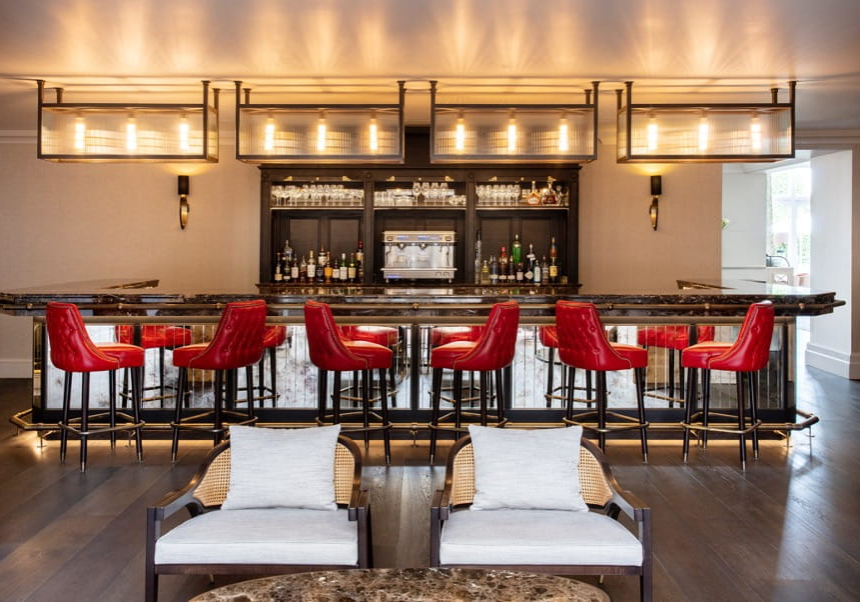
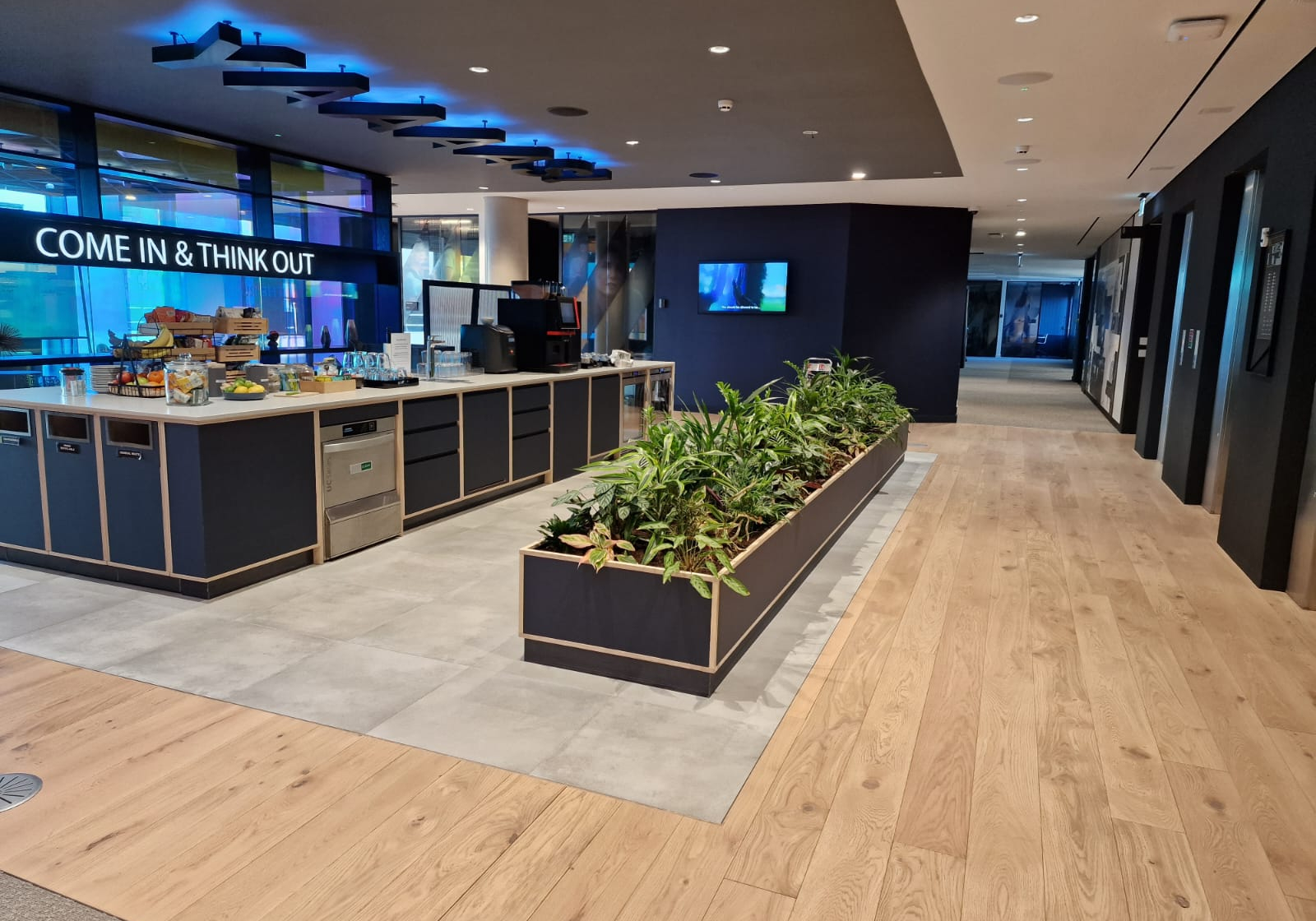
Oiled vs Lacquered Wood Flooring at a Glance
If you're still deciding between the two, the essential differences are:
- For the most natural look and feel: choose oil.
- For a smooth, sealed surface: choose lacquer.
- For easier local repairs and refreshing: oil has the advantage.
- For lower routine maintenance: lacquer is often preferable.
- For a floor that develops a visible patina: consider oil.
- For a more consistent finish over the surface: consider lacquer.
Choosing the Right Finish for Your Home
The beauty of a bespoke wood floor lies in the details. The width and grade of the timber, the pattern in which it is laid, its colour, texture and final finish all contribute to the way the floor sits within an interior.
At Eaton Square, we don't believe there is a single finish that works for every project. An elegant matt lacquer may be perfect for one home, while a richly textured oiled oak may completely transform another.
Whether you are considering herringbone, chevron or wide plank wood flooring, our specialists can help you explore the different finishes and understand how each will look, feel and perform in your space.
The aim is not simply to choose a floor that looks beautiful when it is first installed, but one that will continue to complement the way you live for many years to come.
Explore Our Wood Flooring Ranges

Speak to a luxury flooring expert today
We design and manufacture luxury carpets, rugs, and flooring that elevate the world's finest interiors.
Discuss your next project